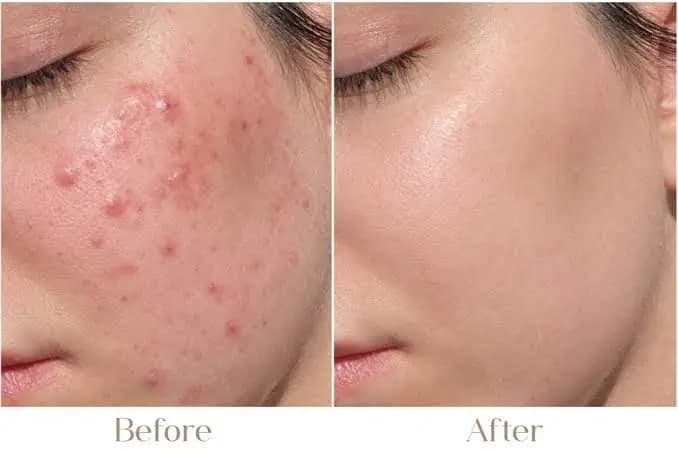
Most mild to moderate acne can be managed at home with a consistent routine: gentle cleansing, a proven active ingredient such as salicylic acid or benzoyl peroxide, a non-comedogenic moisturiser, and daily sunscreen. In Delhi, pollution, hard water and humidity make that consistency harder to maintain, which is usually why home routines fail even when the products are right. Painful, deep, or scarring acne is a different category and needs a dermatologist or an aesthetic clinic, not another home remedy.
Quick summary before you read on:
Salicylic acid, benzoyl peroxide, niacinamide and a non-comedogenic moisturiser form the core of an effective at-home routine.
Sunscreen is not optional. Skipping it is one of the biggest reasons acne marks in Delhi take months to fade instead of weeks.
Home remedies like multani mitti or besan can help with excess oil but will not clear active breakouts on their own.
Give any new routine 10 to 12 weeks before judging it.
Cystic, nodular, or scarring acne needs professional treatment, not a longer home routine.
If your breakouts already sound closer to that last point than the first ones, you don't have to read the whole routine below first. You can go straight to our acne and pigmentation treatments and get assessed properly. Otherwise, here is what actually works at home, and how to tell when it's time to stop self-treating.
Why Acne Behaves Differently in Delhi
Skin in Delhi deals with a specific combination of stressors that most generic acne advice online does not account for.
Pollution particles (PM2.5 and PM10) settle into open pores and mix with sebum, which is one reason blackheads and closed comedones are so common here even in people who cleanse regularly. Delhi's water is also notably hard, and hard water can strip the skin's natural oil barrier, which sometimes triggers the skin to overproduce oil in response, worsening breakouts rather than helping them. Add in humidity for most of the year, sweat from stepping between air-conditioned rooms and outdoor heat, and a common habit of skipping sunscreen on cloudy or humid days, and you get a cycle of clogged pores, barrier damage, and slow-fading acne marks that would clear faster almost anywhere else.
None of this means acne here is untreatable at home. It means the routine has to account for these local factors, not just copy a skincare routine built for a different climate.
Is At-Home Acne Treatment Actually Enough?
This is the honest answer most articles avoid giving directly.
Type of acne
Can it be managed at home?
What to do
Occasional blackheads or whiteheads
Yes
Consistent cleansing and a BHA (salicylic acid) product
Mild to moderate inflammatory acne (small red bumps)
Yes, with active ingredients
Salicylic acid or benzoyl peroxide routine for 8 to 12 weeks
Acne leaving behind dark marks
Partially
Home care prevents new marks; existing marks often need professional treatment
Persistent, painful, cystic or nodular acne
No
See a dermatologist or aesthetic clinic, do not self-treat longer
Adult-onset acne along the jawline, often hormonal or PCOS-linked
Partially
Combine a home routine with a proper medical evaluation
If you are in the first two rows, the routine below should show visible change within a few weeks. If you recognise your skin in the last two rows, read the section on when home care stops being enough before you spend more months on it.
The At-Home Acne Routine That Actually Works
Keep it simple. More products at once almost always means more irritation, not faster results.
Morning routine:
Gentle, low-foam cleanser (avoid anything that leaves skin feeling tight)
A leave-on treatment product (see table below)
Non-comedogenic, oil-free moisturiser
Broad-spectrum sunscreen, SPF 30 or higher, reapplied if you are outdoors for long stretches
Night routine:
Double cleanse if you wore sunscreen or makeup during the day
Alternate active ingredient nights (for example, benzoyl peroxide one night, a retinoid the next) to avoid over-drying
Non-comedogenic moisturiser to finish
Ingredient
What it actually does
How to use it
Salicylic acid (BHA)
Exfoliates inside the pore, best for blackheads and whiteheads
2 to 3 times a week to start, increase slowly
Benzoyl peroxide (2.5 to 5 percent)
Reduces acne-causing bacteria on the skin
Thin layer or spot treatment, higher strengths rarely add benefit and mostly add irritation
Niacinamide
Calms redness and strengthens the skin barrier
Daily, layers well with other actives
Adapalene (0.1 percent, over the counter retinoid)
Unclogs pores and fades marks over time
Start every third night, build up slowly
Non-comedogenic moisturiser
Repairs the barrier that actives and hard water both disrupt
Daily, morning and night
Broad-spectrum SPF 30+
Prevents post-acne marks from darkening further
Daily, no exceptions, including cloudy days
This mirrors the American Academy of Dermatology's own home-care guidance for acne, which recommends gentle twice-daily cleansing, avoiding harsh astringents and exfoliating scrubs, and never skipping sunscreen even while on acne medication (source: aad.org).
Common At-Home Mistakes That Make Delhi Acne Worse
Over-exfoliating. Combining a physical scrub with a chemical active like salicylic acid or benzoyl peroxide damages the skin barrier faster than it clears acne.
Skipping moisturiser because skin feels oily. Dehydrated skin often produces more oil, not less.
Introducing four or five new products at once. You cannot tell what is working, and irritation compounds.
Skipping sunscreen on humid or cloudy days. This is the single biggest reason acne marks take months instead of weeks to fade in Delhi.
Splashing hard tap water directly onto bare, product-free skin. A barrier moisturiser applied afterward helps offset this.
Picking or popping. This is the fastest route from a pimple to a permanent scar.
What About Home Remedies? Multani Mitti, Besan, Turmeric and More
Since "acne treatment at home" in Delhi often means desi kitchen remedies as much as skincare products, here is an honest, evidence-aware breakdown.
Remedy
Verdict
Multani mitti (fuller's earth)
Genuinely absorbs excess oil short term. Daily use can over-dry skin, 1 to 2 times a week is enough
Besan and turmeric face pack
Mild anti-inflammatory reputation, but no strong clinical evidence for treating active acne. Harmless occasionally, not a substitute for actives
Ice cubes on a pimple
Reduces swelling and redness temporarily, does not treat the underlying acne
Toothpaste on a pimple
Avoid this. Menthol and other ingredients in toothpaste can chemically burn and irritate skin
Neem-based cleansers
Reasonable as a mild antibacterial addition, not effective as a stand-alone treatment
When At-Home Care Isn't Enough
Watch for these signs instead of extending a home routine indefinitely:
No visible improvement after 10 to 12 weeks of a consistent routine
Deep, painful, cystic or nodular bumps rather than surface pimples
New scarring appearing alongside active breakouts
A jawline-heavy pattern tied to an irregular cycle, which often points to a hormonal or PCOS-linked cause
Sudden adult-onset acne after years of clear skin
This is the exact gap Skins by Srishti was built around. Our founder Srishti has spoken openly about her own experience with PCOD, thyroid-linked skin changes, and active acne and scarring, which is part of why this clinic pairs realistic at-home guidance with in-clinic options rather than pushing treatments that will not hold up. You can read more about her background on the founder page.
How Professional Treatment Complements Your At-Home Routine
A good home routine controls new breakouts and protects your skin barrier. It does not always clear existing dark marks, textural scarring, or acne that has a hormonal driver. For those, in-clinic options such as carbon laser facials and Nd:YAG laser toning are built specifically to target what home care alone cannot.
If acne is one of several concerns you are dealing with, alongside pigmentation, hair fall or early signs of skin laxity, our broader guide on HIFU, pigmentation, acne and hair fall treatment in Delhi walks through how each of those is typically approached and priced.
Key Takeaways
Most mild to moderate acne genuinely can be managed at home in Delhi with the right, consistent routine.
Salicylic acid, benzoyl peroxide, niacinamide, a non-comedogenic moisturiser and daily SPF 30+ are the non-negotiables.
Delhi-specific factors, pollution, hard water and humidity, are why generic skincare advice often underperforms here.
Home remedies like multani mitti can support a routine but cannot replace it.
Cystic, scarring or hormonal-pattern acne needs professional input, not a longer home routine.
If your acne has moved past what a home routine can handle, or you want a professional opinion before investing more months in trial and error, you can book a free consultation with our team and get a plan built around your actual skin, not a generic routine.