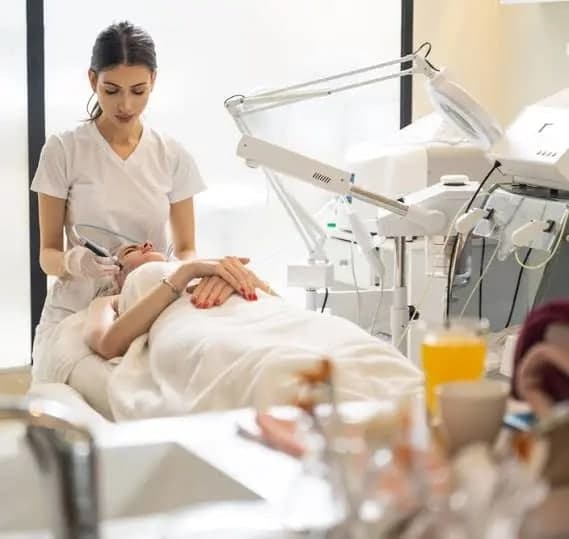
Short answer: Hair fall is a diagnosis before it is a treatment. The same shedding can come from a hormonal pattern, an iron or thyroid problem, or a temporary shed after illness or stress, and each responds to something different. PRP has reasonable evidence in pattern hair loss and works best alongside medical treatment rather than instead of it. For skin ageing, daily sun protection and a retinoid do more over five years than any single procedure. For fat, non surgical treatments reduce localised pinchable fat in people already near their goal weight, and they are not a treatment for excess body weight.
This guide is written to help you arrive at a consultation with better questions, and to help you recognise when a clinic is promising more than the evidence supports.
Start with the diagnosis, not the treatment
The most expensive mistake in hair loss is starting treatment without knowing the cause. Many people in Delhi NCR come in having already tried three products bought online, without ever having had a ferritin or thyroid test.
Pattern of hair loss
Typical presentation
What usually confirms it
Androgenetic alopecia (pattern hair loss)
Gradual thinning at the crown or temples in men, widening part and diffuse thinning over the top in women, with visible miniaturisation
History, family pattern, trichoscopy showing variation in hair shaft diameter
Telogen effluvium
Sudden diffuse shedding, often 2 to 4 months after an illness, fever, surgery, crash diet, childbirth or major stress
History and timing, positive pull test, exclusion of other causes
Nutritional and metabolic causes
Diffuse thinning with fatigue or other symptoms
Blood tests including ferritin, haemoglobin, vitamin D, vitamin B12 and thyroid function
Hormonal causes in women
Thinning with irregular cycles, acne or unwanted hair growth
Clinical assessment with hormonal evaluation where indicated
Traction alopecia
Recession along the hairline or wherever tension is applied, common with tight styles and extensions
Site pattern matching the styling history
Scarring alopecias
Smooth patches with loss of follicular openings, sometimes itching, burning or scaling
Clinical examination, trichoscopy, and biopsy where needed
Why this matters commercially as well as clinically: PRP and other procedures work on follicles that still exist. In scarring alopecia the follicle is replaced by scar tissue, and no injection restores it. A clinic that offers PRP before establishing which of the above you have is selling a procedure rather than treating a condition.
Two local factors are worth mentioning honestly. Hard water and air pollution in Delhi NCR affect hair and scalp condition, contributing to dryness, breakage and scalp irritation, and pollution exposure is associated with scalp oxidative stress. These are real contributors to how your hair looks and feels. They are not, by themselves, the cause of pattern hair loss, and any clinic attributing genetic hair loss entirely to water quality is oversimplifying.
The hair fall treatment ladder
Effective treatment is usually a combination, layered according to the diagnosis and severity.
Approach
What it does
Where it fits
Correcting deficiencies and underlying conditions
Removes a driver of shedding
First step whenever tests are abnormal. Procedures work poorly if iron or thyroid issues remain uncorrected
Topical minoxidil
Prolongs the growth phase and improves density
Foundation therapy for pattern hair loss, needs consistent long term use
Oral prescription medication
Addresses the hormonal driver in pattern hair loss
Doctor decision only, with counselling on effects and suitability. Not appropriate for everyone, and specifically requires care in women of childbearing potential
PRP
Delivers concentrated autologous growth factors into the scalp
Adjunct to the above, most useful in early to moderate pattern hair loss
Microneedling
Improves topical absorption and stimulates the follicular environment
Often combined with topicals or PRP
Low level light therapy
Modest additional stimulation
Supportive, not standalone
Nutritional and scalp care
Supports the environment for growth
Supportive. Supplements help when there is a deficiency, and do little when there is not
Hair transplant
Redistributes permanent follicles into thinned areas
For established loss where medical treatment has stabilised the remaining hair
The pattern worth internalising: procedures build on medical treatment. Stopping the foundation therapy and relying on periodic PRP sessions is the most common reason people feel a treatment stopped working. Structured combination protocols are covered further in the hair treatment options at the clinic.
PRP for hair: a realistic account
What it is. A small volume of your own blood is drawn, spun in a centrifuge to concentrate the platelets, and the platelet rich fraction is injected into the scalp. Platelets release growth factors that influence the follicular environment and the hair growth cycle.
What the evidence supports. Multiple randomised studies and pooled analyses show improvement in hair density and thickness in androgenetic alopecia compared with placebo. The important caveat is that protocols differ considerably between studies in centrifugation method, platelet concentration, injection technique and session interval, so results are not uniform and comparisons between clinics are not straightforward. It is a reasonable, evidence supported adjunct. It is not a cure and it does not reverse advanced loss.
Typical protocol. Commonly three to four sessions spaced about four weeks apart, followed by maintenance sessions at intervals of several months. Visible change is generally assessed at three to six months, because the hair cycle does not produce faster answers. Standardised photography at baseline is the only reliable way to judge progress, and any clinic serious about outcomes will insist on it.
Who it tends to suit
Early to moderate pattern hair loss with follicles still present
People already on or willing to start topical or medical therapy
Those wanting to support density after a transplant, on medical advice
People who prefer an autologous option with minimal downtime
Who it does not suit
Scarring alopecia or areas with no remaining follicles
Active scalp infection or inflammation at the injection site
Platelet or bleeding disorders, and certain blood conditions
Those on anticoagulant or antiplatelet medication, which requires medical review first
Pregnancy and breastfeeding, where procedures are generally deferred
Anyone expecting a single session to produce a visible change
What to expect around the session. Scalp numbing is usually applied. Soreness, mild swelling and tenderness for a day or two are common. Serious complications are uncommon when performed with proper aseptic technique by trained personnel, which is exactly why the setting matters more than the price.
Anti ageing: separate the foundation from the procedures
Skin ageing has two components. Intrinsic ageing is genetic and unavoidable, involving gradual collagen and elastin decline and changes in fat distribution and bone structure. Extrinsic ageing is driven mainly by ultraviolet exposure, and also by pollution, smoking, sleep and glycaemic factors. The visible signs most people dislike, uneven pigmentation, dullness, fine lines and loss of firmness, are substantially in the extrinsic category, which is the part you can influence.
This leads to the least commercial advice in this article, and the most useful. Daily broad spectrum sunscreen, used properly and reapplied, together with a well tolerated retinoid, delivers more visible benefit over five years than any single procedure. In Delhi NCR, with high UV index for much of the year, this is not a minor point. Procedures work considerably better on skin that is protected, and considerably worse on skin that is not.
With that in place, procedures address specific concerns.
Concern
Commonly used approaches
Realistic expectation
Dynamic lines from expression, such as frown and crow's feet
Botulinum toxin
Softening over days, lasting a few months, repeated to maintain
Volume loss in cheeks, temples, under eyes
Hyaluronic acid fillers, placed conservatively
Immediate change, duration varies by product and site. Assessment matters more than product choice
Overall crepiness and gradual collagen decline
Biostimulators, microneedling with radiofrequency, fractional lasers
Gradual improvement over months, usually a course rather than one session
Pigmentation, melasma, uneven tone
Medical topicals, chemical peels, appropriate laser or light where indicated
Improvement with maintenance. Melasma in particular recurs with sun exposure and requires ongoing management
Dullness, texture, enlarged pores
Peels, microneedling, skin boosters
Noticeable but not permanent, benefits from a schedule
Mild skin laxity
Energy based tightening approaches
Modest tightening. Honest expectation setting is essential here
Significant laxity and excess skin
Surgical assessment
Non surgical devices do not substitute for surgery once laxity is advanced, and any clinic saying otherwise is overselling
The last row is the most important line in this section. Knowing where non surgical treatment stops being the right answer is a marker of a clinic worth trusting. A treatment plan built around your specific concerns is more useful than a menu of devices, which is how the anti ageing treatment approach is structured.
Non surgical fat loss: what it is and what it is not
This is the area with the widest gap between marketing and reality, so the framing has to be precise.
What these treatments do. Non surgical body contouring reduces the thickness of localised subcutaneous fat in a defined area, or improves muscle tone, depending on the technology. They shape areas that do not respond to diet and exercise.
What they do not do. They do not reduce body weight meaningfully, they do not address visceral fat, which is the fat with the greatest metabolic significance, and they are not a treatment for obesity. Anyone whose primary goal is weight loss needs a medical weight management pathway, not a contouring device, and a clinic should say so rather than sell the device.
Realistic candidacy
Good candidate
Poor candidate
Close to their goal weight, with stable weight for several months
Actively trying to lose significant weight
Localised pinchable fat in a defined area, such as flanks, lower abdomen or under the chin
Generalised excess weight or predominantly visceral fat
Good skin quality in the area
Significant loose skin, where fat reduction can make laxity more apparent
Understands this is contouring, over months, with maintenance through lifestyle
Expecting a dress size change from one session
No relevant contraindication, confirmed at consultation
Pregnancy, certain hernias, or condition specific contraindications depending on the technology
On the technologies. Different approaches target fat cells through cooling, heat, ultrasound or injectable agents, and separate technologies stimulate muscle rather than reducing fat. Each has its own candidacy criteria, session count, expected degree of change and its own recognised side effect profile, including some uncommon ones that should be explained to you before consent rather than after. Which one suits you depends on the area, the tissue quality and your history, which is a consultation question and not a website question. Options and candidacy are covered under body contouring.
Realistic timelines
Impatience causes more abandoned treatment plans than lack of efficacy. These are typical ranges, not promises, and individual response varies.
Treatment
When change is usually assessed
Maintenance
Correcting nutritional deficiency
3 to 6 months for shedding to settle
Ongoing as advised
Topical minoxidil
4 to 6 months, with possible early increased shedding
Continuous use
PRP for hair
3 to 6 months after a course of sessions
Periodic sessions
Botulinum toxin
3 to 14 days
Every few months
Fillers
Immediate, settling over 2 weeks
Varies by product and site
Collagen stimulating treatments
2 to 6 months
Course based, then periodic
Pigmentation management
6 to 12 weeks for early change
Ongoing, with strict sun protection
Non surgical fat reduction
8 to 12 weeks per cycle
Weight stability, repeat cycles if planned
How to choose a clinic, and what should concern you
For any procedure involving injections, energy devices or blood handling, the setting and the operator matter more than the brand name of the machine.
Reasonable questions to ask
Who performs the procedure, and what are their qualifications and training
What is my actual diagnosis, and what tests support it
What are the alternatives, including doing nothing
What are the risks and side effects specific to me
How many sessions, at what interval, and what happens if I stop
Will you photograph baseline and progress in standardised conditions
What is the total cost of the full protocol, not the per session headline
How are complications managed, and who do I contact after hours
Signals that should make you cautious
Guaranteed results, or before and after images without disclosure that results vary
A treatment recommended before any diagnosis or blood work
Pressure to decide today, or discounts contingent on immediate payment
Package deals for many sessions paid upfront before any response is assessed
Reluctance to name the product, device or protocol being used
Claims that a non surgical device replaces surgery for advanced laxity
Fat reduction marketed as weight loss
No written consent process and no discussion of side effects
On cost, the honest guidance is to compare complete protocols rather than session prices. A lower per session price across more sessions than clinically needed is not a saving, and the variables that legitimately change price are the operator's qualification, the product or device used, the number of sessions your diagnosis requires and the area treated.
Frequently asked questions
Does PRP really work for hair loss?
Evidence supports improvement in hair density and thickness in pattern hair loss, particularly in early to moderate cases with follicles still present. It works best alongside medical treatment rather than as a replacement, results vary between individuals, and protocols differ between clinics, which is why comparisons are not straightforward.
How many PRP sessions are needed for hair?
Commonly three to four sessions about four weeks apart, then maintenance at longer intervals. Progress is fairly assessed at three to six months using standardised photographs, because the hair growth cycle does not allow a faster verdict.
Is PRP painful, and is there downtime?
Scalp numbing is generally used. Most people describe pressure and mild discomfort during injection, with tenderness or slight swelling for a day or two afterwards. Normal activity usually resumes the same day, following the aftercare advice given.
What causes sudden hair fall?
Sudden diffuse shedding is most often telogen effluvium, typically appearing two to four months after an illness, high fever, surgery, rapid weight loss, childbirth or significant stress. It commonly improves once the trigger resolves, but persistent shedding needs evaluation including ferritin, thyroid and other relevant tests.
Which anti ageing treatment is best?
There is no single best treatment, because different concerns need different approaches. The highest value foundation for almost everyone is consistent broad spectrum sun protection with a suitable retinoid. Procedures are then chosen for the specific concern, whether that is dynamic lines, volume loss, pigmentation or texture.
Can non surgical treatments replace a facelift?
No. Non surgical treatments can improve skin quality, restore some volume and provide modest tightening. Once laxity and excess skin are advanced, surgery is the appropriate option, and a clinic that acknowledges this is giving you accurate information.
Will non surgical fat loss help me lose weight?
No. These treatments reduce localised subcutaneous fat and contour specific areas. They do not meaningfully change body weight and do not affect visceral fat. If weight loss is the goal, a medical weight management approach is the correct pathway.
Are these treatments safe during pregnancy or breastfeeding?
Most elective aesthetic procedures and several relevant medications are avoided during pregnancy and breastfeeding. Tell your clinician if you are pregnant, planning pregnancy or breastfeeding, so the plan can be deferred or adjusted appropriately.
How do I know if I need medical treatment or a procedure?
That is what the consultation determines. Blood tests, scalp or skin examination and history establish the diagnosis, and the diagnosis determines whether the first step is correcting an underlying cause, starting medical treatment, a procedure, or a combination.
Next step
The most productive first appointment is a diagnostic one. For hair, bring any recent blood reports and a note of when the shedding began and what preceded it. For skin, bring the products you currently use, including anything bought without advice. For body concerns, know your weight trend over the last six months. With that information, a realistic plan with expected timelines can be discussed properly rather than guessed at. Book a consultation and ask for the diagnosis and the alternatives before you ask for the price list.