Quick answer: Of the three treatments people ask us about most, only two have solid evidence behind them. Q-switched Nd:YAG laser toning is a genuinely effective, well-studied option for pigmentation in Indian skin. Deoxycholic acid injections work for small, localised fat pockets and cost roughly INR 12,000 to 25,000 per session in Delhi NCR. Intravenous glutathione marketed for skin whitening is the outlier: it is not approved for that use by any major regulator, no published clinical trials support it, and it carries real risks including anaphylaxis and liver injury. This guide explains what each one does, what it does not do, and how to decide.
At a glance
Treatment
What it genuinely treats
Evidence strength
Typical protocol
Indicative cost (Delhi NCR)
Nd:YAG laser toning
Melasma, sun spots, post-acne marks, dull tone
Strong for pigmentation, moderate for melasma
6 to 10 sessions, 2 to 4 weeks apart
INR 3,000 to 8,000 per session
Fat dissolving injections
Small, localised fat pockets (submental, flanks, arms)
Strong for submental fat, weaker elsewhere
2 to 6 sessions, 4 to 6 weeks apart
INR 12,000 to 25,000 per session
Glutathione IV drip
Nothing proven for skin colour. Antioxidant support only
Very weak for skin lightening
Not recommended for whitening
Varies widely, often INR 3,000 to 10,000
Costs are indicative market ranges for 2026 and vary by area size, product used and operator experience. Ask for a written protocol quote, not a per-session figure.
Part 1: Glutathione IV drips for skin whitening
The honest answer first
There is no approved intravenous glutathione product for skin lightening anywhere in the world. The United States FDA has not approved any injectable product for skin lightening. Regulators including the Philippines FDA and the Saudi FDA have issued public warnings specifically about glutathione injections used as whitening agents. A 2025 narrative review in the published literature concluded that intravenous glutathione is associated with serious safety concerns including anaphylaxis and liver toxicity, made worse by the absence of any standardised dosing protocol.
That last point deserves emphasis. There is no agreed dose, no agreed infusion rate, and no agreed course length, because the trials that would establish those things have not been done.
What the risks actually are
Documented and reported concerns with injectable glutathione used cosmetically include:
Anaphylaxis. A severe allergic reaction that can develop within minutes of infusion.
Hepatotoxicity and renal effects. Toxic effects on the liver and kidneys have been reported.
Stevens-Johnson Syndrome. A rare but life threatening skin reaction.
Endotoxin contamination. Regulatory laboratory analysis of glutathione injection samples has found excessive bacterial endotoxin, with patient symptoms attributed directly to those contaminants.
Theoretical long term risk. Because melanin is photoprotective, deliberately suppressing it raises unresolved questions about UV damage and skin cancer risk over time.
The setting matters as much as the substance
Anaphylaxis is managed with adrenaline, airway support and rapid escalation. Any intravenous infusion, whatever the ingredient, should be administered by a registered medical practitioner with resuscitation equipment on hand and a clear emergency pathway. This is the single most important question to ask any provider offering IV therapy, and it applies to every drip, not just glutathione.
At Skins by Srishti, our position is straightforward. We do not offer intravenous glutathione as a skin whitening treatment, because the evidence does not support the claim and the risk profile does not justify it. Our IV drip protocols are built around cellular repair, hydration and antioxidant support under medical supervision, with candidacy assessed individually.
What actually improves skin brightness
"Whitening" and "brightening" are not the same thing, and conflating them is where most people go wrong. You cannot safely change your baseline skin colour, and you should not want to. You can absolutely correct uneven pigment, restore clarity and improve luminosity. The interventions with real evidence behind them are:
Daily broad spectrum sunscreen, SPF 30 or higher, reapplied. Nothing else on this list works without it.
Topical tyrosinase inhibitors such as azelaic acid, kojic acid, tranexamic acid, niacinamide and, under medical supervision, hydroquinone.
Oral tranexamic acid for melasma, prescribed and monitored by a physician.
Professional resurfacing and laser protocols, covered in the next section.
Barrier repair and consistency. Dull skin is very often dehydrated, over exfoliated skin rather than pigmented skin.
Explore our evidence based skin treatment protocols or read more about the clinical science we build our work on.
Part 2: YAG laser toning for pigmentation
What it is
Laser toning uses a Q-switched neodymium doped yttrium aluminium garnet laser, usually at 1064 nm, delivered at low fluence over multiple passes. Rather than aggressively destroying pigment in one aggressive treatment, it works through subcellular selective photothermolysis: gentle, repeated disruption of melanin that the body then clears.
The 1064 nm wavelength penetrates deeper and is absorbed less by surface melanin than shorter wavelengths, which is precisely why it suits deeper skin tones. Many systems also offer 532 nm for superficial epidermal pigment.
Why this matters for Indian skin
Fitzpatrick types IV and V, the most common phototypes across India, carry a higher baseline risk of post-inflammatory hyperpigmentation from any energy based device. Published work on Q-switched Nd:YAG in darker phototypes reports adverse effects that are mild and transient, with post-inflammatory hyperpigmentation in around 13.5 percent of cases. That figure is manageable, but it is not zero, and it is heavily operator dependent.
This is the insight most marketing pages skip: the machine matters far less than the settings, the spacing and the aftercare. The same device in two different hands produces very different outcomes on type V skin.
What laser toning treats well
Condition
Expected response
Epidermal melasma
Good, but relapse is common without maintenance
Dermal and mixed melasma
Moderate, best combined with topicals and oral therapy
Sun induced pigmentation and lentigines
Good to excellent
Post-inflammatory hyperpigmentation
Moderate, treat the underlying cause first
Dull, uneven tone and large pores
Good, this is where toning shines
Freckles
Variable, high recurrence with sun exposure
A realistic protocol
Consultation and phototype assessment. Wood's lamp examination to establish whether pigment is epidermal, dermal or mixed. This determines everything that follows.
Priming, two to four weeks. Topical preparation to reduce the risk of rebound pigmentation.
Test patch. Non negotiable on types IV and above.
Treatment series. Typically six to ten sessions spaced two to four weeks apart.
Concurrent therapy. Sunscreen daily without exception, plus topical or oral agents as prescribed.
Maintenance. Melasma is a chronic, relapsing condition. Anyone promising a permanent cure is overselling.
Who should not have laser toning
Active infection or inflammation in the treatment area, recent isotretinoin use, photosensitising medication, a history of keloids, pregnancy, and untreated active melasma flares. Disclose everything at consultation, including supplements.
You can review our full range of face treatments or book a consultation to establish which pigment type you are dealing with.
Part 3: Fat dissolving injections and what they really cost
How they work
Injection lipolysis uses deoxycholic acid, a naturally occurring bile acid that disrupts fat cell membranes. The destroyed adipocytes are then cleared through normal metabolic and lymphatic processes over several weeks. Many formulations used across India combine deoxycholic acid with phosphatidylcholine, often abbreviated PCDC.
An important distinction: deoxycholic acid is FDA approved in the United States under the brand Kybella, and only for submental fullness, meaning fat under the chin. Use on flanks, arms, thighs or abdomen is off label. That does not automatically make it wrong, but you are entitled to know when a treatment is being used outside its approved indication, and a good practitioner will tell you unprompted.
Cost in Delhi NCR, 2026
Treatment area
Typical sessions needed
Cost per session
Indicative full protocol
Submental (double chin)
2 to 4
INR 12,000 to 20,000
INR 24,000 to 80,000
Flanks or love handles
3 to 6
INR 15,000 to 25,000
INR 45,000 to 150,000
Upper arms
3 to 5
INR 15,000 to 22,000
INR 45,000 to 110,000
Abdomen
4 to 6
INR 18,000 to 25,000
INR 72,000 to 150,000
Market rates for injection lipolysis in Delhi generally fall between INR 12,000 and INR 25,000 per session. Ranges above reflect area size and product volume.
The cost question nobody asks properly
Per session pricing is close to meaningless on its own. Two clinics quoting INR 15,000 can differ by a factor of three on total cost, because one uses more vials per session and finishes in three visits while the other stretches eight thin sessions. Ask for the projected number of sessions, the volume of product per session, and the total protocol cost in writing before you commit.
Ask three more questions while you are at it:
Who is administering the injection, and are they a registered medical practitioner?
What is the plan if results are uneven or asymmetric?
Is a touch up session included, or charged separately?
Who is a good candidate
Fat dissolving injections are a contouring tool, not a weight loss treatment. They suit people close to their target weight with small, discrete, pinchable pockets of fat that resist diet and exercise. They do not treat visceral fat, they do not tighten significantly loose skin, and they will disappoint anyone expecting liposuction results.
Common side effects include swelling, bruising, tenderness and firm nodules under the skin for several weeks. Swelling after submental treatment can be pronounced for the first week, so plan around social commitments.
See our non-invasive fat loss protocols for how injection lipolysis fits alongside other body contouring modalities.
How to choose between them
These three treatments solve entirely different problems, and the most common mistake is picking the treatment before diagnosing the concern.
If your concern is
Start with
Do not start with
Patchy brown pigment on cheeks or upper lip
Diagnosis first, then topicals plus laser toning
Any IV drip
Overall dullness and rough texture
Barrier repair, resurfacing, laser toning
Skin lightening injections
Wanting to be several shades lighter
A conversation about realistic, healthy goals
Glutathione infusions
A double chin at a stable, healthy weight
Deoxycholic acid injections
Whole body fat loss protocols
General fatigue and dehydration
Medical assessment, then supervised IV if indicated
Cosmetic whitening drips
Safety, regulation and your rights as a patient in India
A few things every Indian consumer should know before booking any injectable or energy based treatment:
Intravenous therapy and prescription medicines require a registered medical practitioner. Cosmetologists, therapists and technicians work as part of a medically supervised team. Ask directly who is inserting the cannula and who is prescribing.
Advertising rules apply to aesthetic claims. The Drugs and Magic Remedies (Objectionable Advertisements) Act 1954 restricts certain therapeutic advertising claims, and Advertising Standards Council of India guidance discourages promoting products on the basis of skin lightening.
Off label is not the same as unapproved, but you deserve to be told which is which.
Patch tests and written consent are standard practice, not optional extras.
A good practitioner will decline treatment when you are not a suitable candidate. Willingness to say no is one of the more reliable signals of competence.
Frequently asked questions
Does a glutathione IV drip whiten skin?
No regulator has approved intravenous glutathione for skin whitening, and no published clinical trials have evaluated injectable glutathione for skin lightening. Reported benefits are anecdotal. Where brightness improves, it is usually attributable to hydration, better sun protection or concurrent topical treatment rather than the infusion itself.
Is glutathione safe in any form?
Oral and topical glutathione have a more reassuring safety profile than intravenous administration, though evidence for meaningful skin lightening remains limited across all routes. The concerns described in this article relate specifically to injectable and intravenous use.
Is YAG laser toning safe for Indian skin?
Yes, when performed at low fluence by a trained operator with a test patch first. Q-switched 1064 nm Nd:YAG is well established for Fitzpatrick IV to V skin. Published data reports post-inflammatory hyperpigmentation in roughly 13.5 percent of cases, with adverse effects generally mild and transient.
How many laser toning sessions will I need?
Most protocols run six to ten sessions two to four weeks apart. Melasma specifically requires ongoing maintenance and daily photoprotection, because it is a relapsing condition rather than a curable one.
Does laser toning hurt?
Most people describe a warm, light snapping sensation. Topical anaesthetic is rarely necessary for low fluence toning.
How much do fat dissolving injections cost in Delhi NCR?
Typically INR 12,000 to 25,000 per session in 2026, with most areas requiring two to six sessions. Always request the total protocol cost rather than a single session price.
Are fat dissolving injection results permanent?
Destroyed fat cells do not return, but remaining fat cells can enlarge with weight gain. Results hold well at a stable weight and are undermined by weight gain afterwards.
Can I combine these treatments?
Laser toning and body contouring address separate areas and can usually run in parallel. Sequencing and spacing should be planned at consultation rather than improvised.
What is the safest way to get brighter skin?
Daily broad spectrum sunscreen, a consistent barrier supporting routine, evidence based topical actives, and professional resurfacing where indicated. It is slower than an injection and considerably more reliable.
Why trust this guide
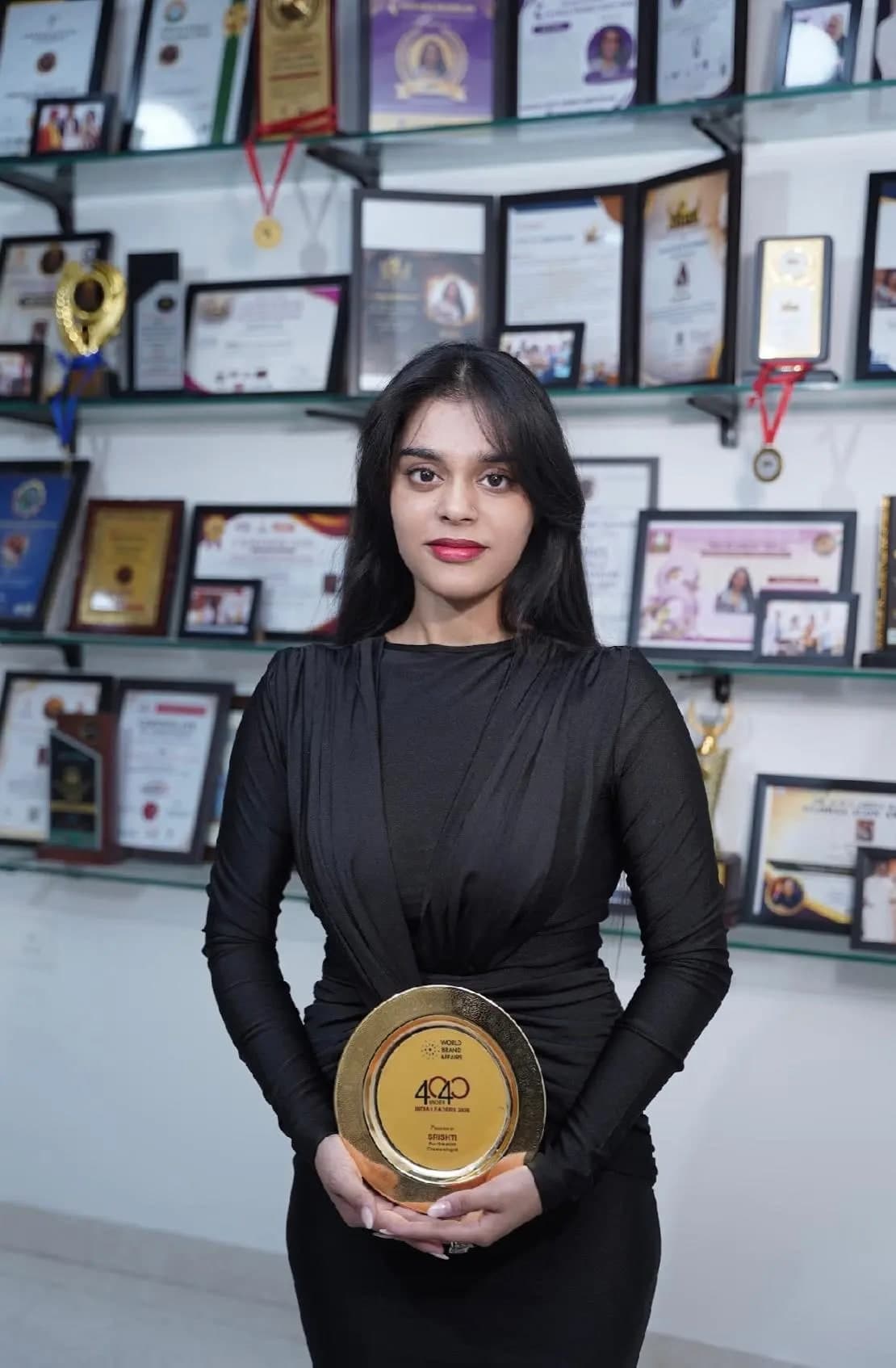
This article was written by the clinical team at Skins by Srishti, a Delhi NCR aesthetics practice specialising in non-invasive, at-home clinical protocols. Our founder Srishti is a USA IAO accredited and certified non-invasive cosmetologist working within a medically supervised model.
We have deliberately published information here that costs us bookings. We do not offer glutathione IV drips for skin whitening, and we have explained why rather than quietly omitting the treatment. We would rather rank for being right than convert on a claim we cannot defend.
Sources consulted for this article are linked below. Clinical positions are current as of July 2026 and will be reviewed every six months.
Medical disclaimer. This article is for general information and does not constitute medical advice, diagnosis or treatment. Aesthetic treatments carry risks and are not suitable for everyone. Consult a qualified medical professional about your individual circumstances before beginning any treatment.