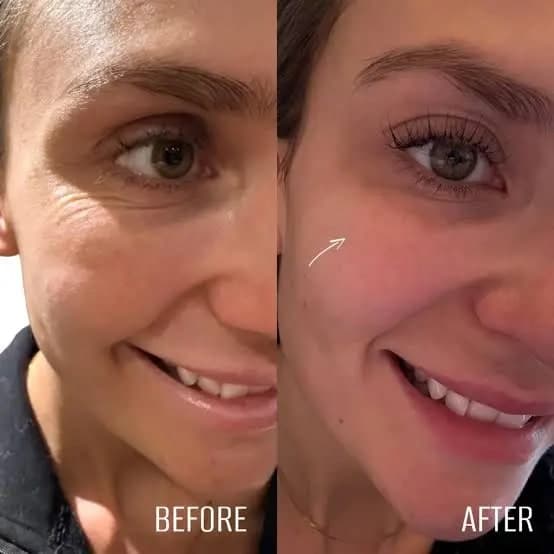
Polynucleotide treatment is an injectable skin booster made from purified DNA fragments, usually sourced from salmon. It supports the skin's own repair process, which can lead to better hydration, elasticity and texture over time. Unlike fillers, it doesn't add volume or change your features. Results build gradually over a course of sessions, and the treatment suits people who want healthier, more resilient skin rather than a dramatic change. At our advanced skin treatments clinic, we assess every patient before recommending it.
In short
What it is: a regenerative injectable, not a filler or Botox
Best for: dull, dehydrated or thin skin, fine lines, under-eye crepiness and acne scar texture
Results: gradual, usually noticed after the second or third session
Downtime: minimal, with small bumps or redness that typically settle within a day or two
Why Everyone Is Talking About "Salmon DNA" Skin
The trend took off as people moved away from overfilled faces toward natural, "skin-first" results. Polynucleotides fit that shift perfectly. They don't freeze expressions or add volume. Instead, they aim to improve the quality of the skin itself.
The ingredient has been used in regenerative medicine for years, particularly in Korea and Italy. Its popularity in aesthetic clinics has grown quickly, helped by social media and celebrity skincare routines. As with any trending treatment, though, results depend on the right product, the right patient and an experienced practitioner.
How Polynucleotide Treatment Works
Polynucleotides are long chains of DNA fragments, purified and made safe for use in skin. Once injected, they are thought to:
Support skin repair by encouraging fibroblasts, the cells that make collagen and elastin.
Improve hydration, since polynucleotides can hold water within the skin.
Calm inflammation, which may help sensitive or stressed skin.
Strengthen the skin barrier over a course of treatments.
Research on polynucleotides in dermatology is promising but still developing. Most studies are small, so we set realistic expectations with every patient.
Is Polynucleotide Treatment Right for You? A Quick Fit Check
You may be a good candidate if you:
Have dull, tired-looking or dehydrated skin that creams no longer fix
Notice fine lines, crepey texture or dark, thin skin under the eyes
Want to improve acne scar texture alongside other treatments
Prefer natural-looking results with no change to your facial features
Want to prepare or repair skin around lasers, peels or microneedling
It may not be suitable if you:
Have a fish or salmon allergy
Are pregnant or breastfeeding
Have an active skin infection, cold sore or untreated skin condition in the treatment area
Have an autoimmune condition, unless your doctor approves it after assessment
A consultation with a qualified dermatologist is the only reliable way to know whether it suits your skin.
How It Compares With Other Skin Boosters
Treatment
Main Ingredient
Primary Goal
Volume Added?
Best For
Polynucleotides (PDRN)
Purified DNA fragments
Skin repair and regeneration
No
Thin, damaged, sensitive or under-eye skin
Hyaluronic acid skin boosters
Hyaluronic acid
Deep hydration and glow
Minimal
Dry, dull skin
PRP
Your own platelets
Collagen stimulation
No
Texture, scars, hair thinning
Dermal fillers
Hyaluronic acid gel
Restore lost volume
Yes
Cheeks, lips, folds
Microneedling
Controlled micro-injuries
Collagen remodelling
No
Acne scars, pores, texture
Many patients get the best results by combining treatments. For example, polynucleotides can be paired with skin boosters and microneedling in a personalized plan.
What to Expect: From Consultation to Results
Consultation. Your doctor examines your skin, discusses your goals and medical history, and confirms whether polynucleotides are the right choice.
Treatment day. A numbing cream is applied first. Tiny injections are then placed across the treatment area. The session usually takes under an hour.
First 24 to 48 hours. Small bumps at injection points, mild redness or swelling are common and usually settle quickly. Some people notice minor bruising, especially under the eyes.
Weeks 2 to 6. Skin begins to feel more hydrated and look fresher as the repair process works.
After the course. Most plans involve a series of sessions spaced a few weeks apart, followed by maintenance sessions. Your doctor will recommend a schedule based on your skin.
Aftercare Tips for Better Results
Avoid makeup on the treated area for at least 12 hours
Skip intense workouts, saunas and steam rooms for a day or two
Use a gentle cleanser and wear broad-spectrum sunscreen daily
Avoid rubbing or massaging the area unless your doctor advises it
Hold off on active ingredients like retinoids or acids for a few days
Our Perspective: Who Gets the Best Results
In our experience, polynucleotides work best for patients with realistic goals. These include people who want skin that looks healthier, more rested and better hydrated, rather than instant transformation. They are especially helpful for the delicate under-eye area, where fillers can be risky and creams have limited effect.
[Add 1 to 2 anonymised patient examples here, such as "A 34-year-old patient with dull, dehydrated skin noticed improved texture after her second session." Include before-and-after photos only with written consent.]
Frequently Asked Questions
Is polynucleotide treatment safe?
When performed by a qualified doctor with a reputable product, it is generally well tolerated. Common side effects include temporary bumps, redness and mild bruising. Anyone with a fish allergy should avoid it.
How many sessions will I need?
Most patients need a course of treatments spaced a few weeks apart, followed by maintenance sessions. Your doctor will create a plan for your skin.
Does it hurt?
Numbing cream keeps most patients comfortable. You may feel mild pinching during the injections.
When will I see results?
Many patients notice improvement after the second session, with results continuing to build over the following weeks.
Is polynucleotide the same as a filler?
No. Fillers add volume, while polynucleotides support the skin's own repair and do not change your facial shape.
Can I combine it with other treatments?
Yes. It is often combined with microneedling, lasers or other skin boosters as part of a personalised plan.
Book Your Skin Consultation.
Every skin is different, and the best treatment is the one chosen for you. Our team will assess your skin, explain your options honestly and create a plan that fits your goals. Book a consultation with our skin experts to find out whether polynucleotide treatment is right for you.